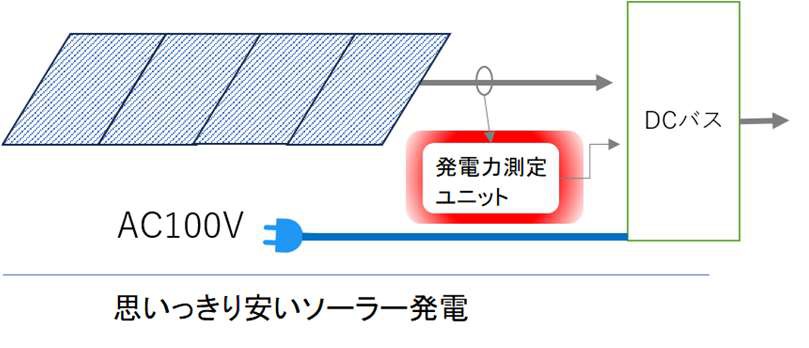
Electricity is essential for a comfortable life. However, due to the prevention of global warming and soaring electricity prices, we are told to use electricity in moderation. So, if it's electricity that doesn't worry about global warming and is extremely cheap, you can use it freely and pursue a comfortable life thoroughly, like spending water freely. ...That might be a bit of an exaggeration, but the point is to emphasize that using electricity is not a bad thing, and neither is pursuing a stress-free comfortable life. Electricity that doesn't worry about global warming and is extremely cheap... That is possible. The difficulty is high, but it is something we should challenge. To achieve this, We generate electricity with in-house power generation of renewable energy which has no concern for global warming, Use it up immediately with stock-type electric devices such as hot water storage, heat storage, and electricity storage, And use the stocked heat or electricity later as needed. And by designing the system so that the life cost of the set of (in-house power generation equipment + electric devices) is minimized, we realize extremely cheap electricity. I wrote it all at once, so I'll explain it in order. Renewable energy includes solar power, wind power, hydropower, etc., but solar power is suitable because it is the safest for in-house power generation in a living environment and easy to operate and maintain. We use in-house power generation because it has nothing to do with soaring electricity prices. Also, since there is no need to connect to the grid, no grid connection agreement is required, and it is less likely to be affected by legal changes. Limiting electric devices to hot water storage, heat storage, electricity storage, etc. is because these devices can be operated according to the timing of the sun coming out, so the self-consumption rate of electricity generated by solar power can be greatly increased. In fact, heat demand accounts for 60% of residential energy consumption, so this is a reasonable choice. The grouping of (in-house power generation equipment + electric devices) has a deep meaning. Current in-house power generation systems are usually designed to provide high-quality safe power so that no complaints arise no matter what electric device is connected. This is probably because the origin of in-house power generation equipment is that no problem should occur no matter what electric device is connected in an emergency, but if power is supplied only to specific electric devices, such high performance is not necessary. To put it in the extreme, solar power can be the DC output from the panel as is, and the user side can improve the quality and safety as needed. This allows system simplification and equipment downsizing, but that consideration needs to be done in the grouping of (in-house power generation equipment + electric devices). At the beginning, I said "the difficulty is high" referring to the struggle of creating such (probably commendable and blamable) in-house power generation equipment and electric devices with partners. Life cost is the cost required for equipment introduction + operation + maintenance + failure + disposal, so we minimize the configuration of the equipment to avoid unnecessary hassle. So, let's move on to the introduction of "Extremely Low-Cost Solar Power" with everything unnecessary stripped away. Independent solar power generation consisting only of solar panels and power generation measurement units. Since it is not equipped with a grid connection device or an inverter...
【Features】
Low introduction and maintenance costs Almost no failure No need for grid connection agreement with power company DIY installation and maintenance possible It can operate electric devices such as heat pumps with power commensurate with current power generation, but since it is DC output, electric devices need to support DC power supply.
【Requirements for Electric Devices】
Wide range of input voltage: 70-145V (for 3 series of 300W class silicon panels) Operation linked to solar radiation fluctuation: Can change operation rate with 10ms response by handshaking with power generation measurement unit and communication Arc prevention: Equipped with arc extinguishing plug
Actually, such electric devices cannot be found... Therefore, "Extremely Low-Cost Solar Power" is currently a pie in the sky. However, as the social implementation of renewable energy begins in earnest, I believe that there may be companies that evaluate the product lineup of renewable energy-related equipment and the merits of DC power supply and enter the market. I will compare the circuit configuration of the currently mainstream surplus purchase type solar power generation and "Extremely Low-Cost Solar Power". You can see the compactness of "Extremely Low-Cost Solar Power".
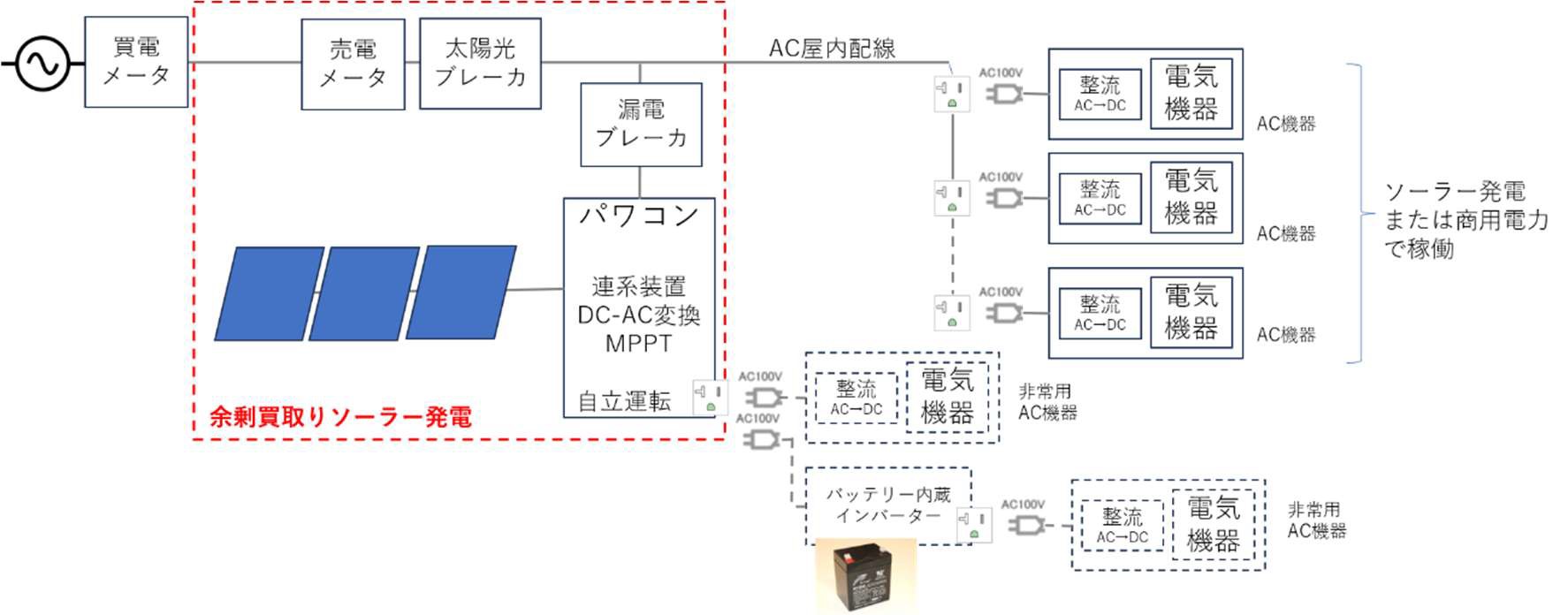
Surplus purchase solar power generation requires power conditioners, measuring instruments, and safety devices to sell electricity (called reverse power flow). Also, government approval and connection agreement with the power company are required. Instead, the connection of electric devices is simple. Before introducing solar power, you connected electric devices to the outlet, and you can keep it that way. When solar power generation is sufficient, it uses solar power electricity, and when power generation is insufficient, it uses commercial power supply. And when there is surplus power generation, you can sell it to the power company. However, in the event of a power outage during an emergency, it is necessary to stop the power conditioner once, set it to self-sustained operation mode, and then connect the device you want to use to the self-sustained operation outlet.
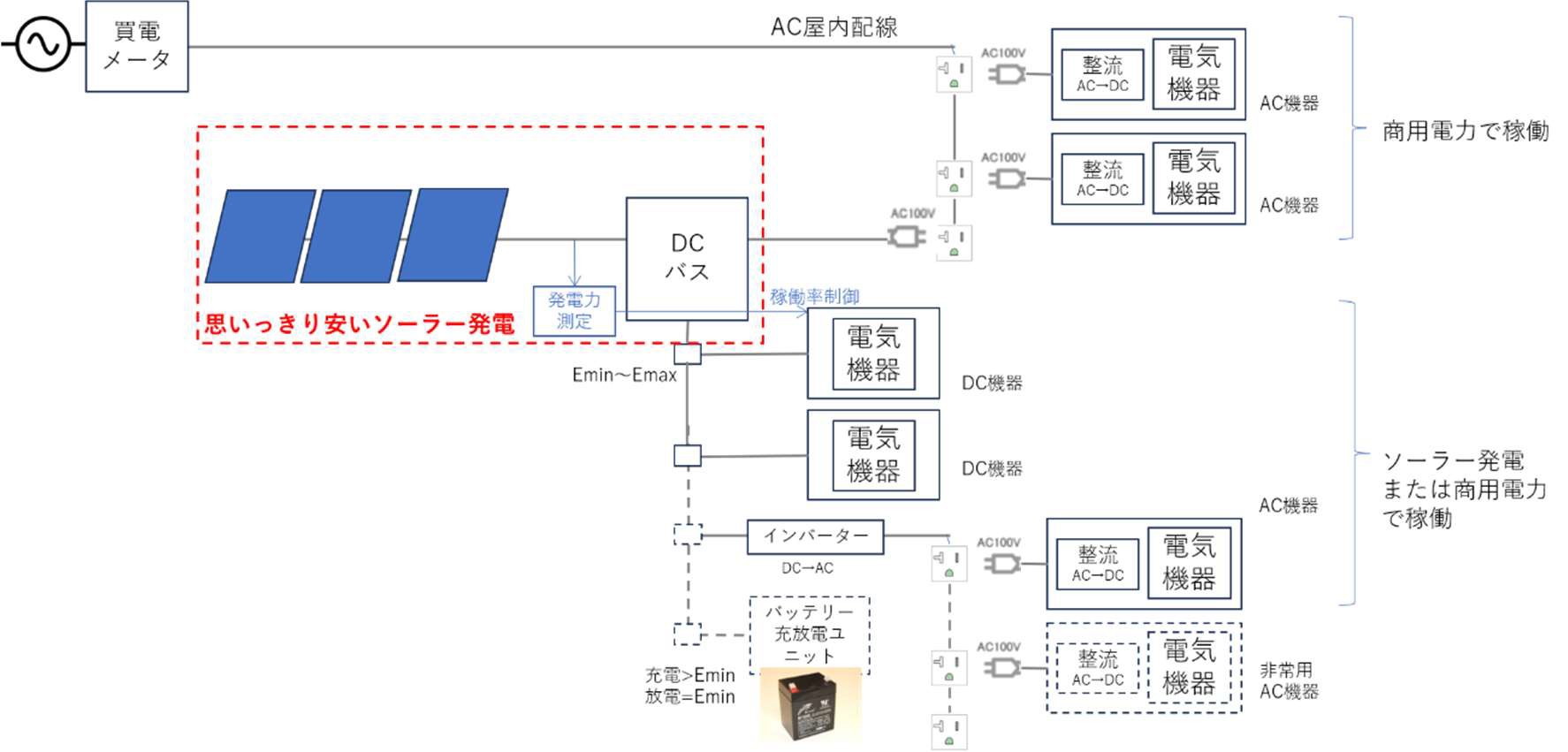
Extremely Low-Cost Solar Power has a simple circuit configuration. That's because there is no need to sell electricity. Since it looks to the grid only as if general home appliances are connected to the outlet, government approval and connection agreement with the power company are unnecessary. For connection of electric devices, devices like microwaves that are used occasionally are connected to AC outlets as before. And devices that you want to operate as much as possible in conjunction with solar radiation intensity, such as heat pumps, are connected to the DC connector of the extremely low-cost solar power, and devices that are operating for a long time, such as refrigerators and garbage disposals, are connected to the extremely low-cost solar power via an inverter. Operation in an emergency is simple; if the extremely low-cost solar power is generating enough power, it continues to operate as is. When power generation is insufficient, the battery charge/discharge unit automatically discharges to continue the operation of the equipment connected to the extremely low-cost solar power. To preserve battery level, please prioritize usage by turning the power switch of the equipment ON/OFF. Although you can design the balance between power consumption and panel capacity so that the self-consumption rate is as high as possible, electricity that cannot be used up is inevitably lost. However, it seems to be a better strategy to save @35 yen/kWh by covering as much electricity as possible with solar instead of buying from the power company, rather than selling surplus electricity to the power company at @8 yen/kWh.
Why do I advocate such a strange thing? For example, because this is sufficient to operate the heat pump of "Comfortable Cooling/Heating for Everyone", and the trouble for the future is overwhelmingly less. To repeat... - Cheap because minimal equipment is needed - Almost no equipment prone to failure, so manufacturer's maintenance period is not a concern - No grid connection agreement with power company required, unaffected by system changes such as laws - DIY installation, maintenance, and repair possible, helping to strengthen resilience in emergencies That is what it means. I will summarize the value of "Extremely Low-Cost Solar Power".
【Issues this technology attempts to solve】
The self-consumption rate of solar power generation connected to the grid and capable of selling surplus electricity is about 30%, and since the selling price is declining, an investment of 1.2 to 2 million yen will be amortized over about 25 years. Considering that the panel life is 10 to 30 years, it does not stand as an investment project. To aim for further penetration into housing, it is necessary to verify the revenue model. Also, due to the unpredictable instability of solar power generation, solar power generation operators not only deal with business revenue anxiety due to output curtailment but also make the operation of base power and adjustment power of major power generation operators difficult. Considering such circumstances, it seems that renewable energy for housing should be limited to self-consumption. By the way, the introduction of renewable energy to factories has long been limited to self-consumption. Furthermore, although solar power generation systems currently popular in homes can perform self-sustained operation in preparation for power outages, the power available at that time is unknown, and the usability cannot be known until the electric device is connected.
【Means to solve the issues】
Eliminate the need for grid connection devices and various protection functions by specializing in self-consumption Simplify rooftop installation as the minimum necessary kW capacity Power generation measurement function to know the power that can be generated with current solar radiation and guidance to users Expansion of electric devices that operate at operating rates according to fluctuating power generation (heat pumps, etc.) DC input type electric devices that can use DC output from solar panels as is DC bus that supplements shortage with commercial power and continues load operation when power generation is insufficient
【Effects】
Configuration consisting only of solar panels and power generation measurement circuits makes introduction and maintenance costs cheap, enabling amortization in about 5 years Since the self-consumption rate is high at about 80%, capital investment recovery can be performed stably Can simplify excessive power infrastructure and adjustments, stabilizing the management of major power generation operators and transmission operators Electric devices can be used stably even in emergencies

What will happen with "Extremely Low-Cost Solar Power"?
Now, let's consider what will happen with "Extremely Low-Cost Solar Power" for each case.
Drastically reducing electricity costs for radiant cooling/heating
The introduction cost of radiant cooling/heating is said to be 130,000 yen/tsubo, which is about 10 times higher than air conditioners. Assuming a 2-person family living in a house with a total floor area of 15 tsubo, the burden would easily be around 1.5 million yen. The running cost is also about 60,000 yen/year for electricity (this cost is similar for air conditioners). 1.8 million yen over 30 years... The cost difference is too large to compete with air conditioners. That's where "Extremely Low-Cost Solar Power" comes in. A 2kW solar panel is about 180,000 yen. Assuming the power generation measurement unit and DC bus are 20,000 yen, the total is 200,000 yen. The simple structure means fewer breakdowns and peace of mind. If the radiant cooling/heating system is configured as a heat storage type, a self-consumption rate of about 80% can be expected, so dividing 200,000 yen by 0.8 and dividing by 30 years gives the running cost, but calculation shows it is very small. Result: Comparison of (Introduction cost + 30-year running cost) is: Radiant cooling/heating ≃ Ordinary air conditioner This seems to be able to compete with air conditioners. This is the effect of "Extremely Low-Cost Solar Power". The surplus purchase system currently spreading in housing has a self-consumption rate of about 30%, and the remaining 70% must be sold at a low price. In contrast, "Extremely Low-Cost Solar Power" can expect a self-consumption rate of 80%. The surplus purchase system earns @20 yen/kWh equivalent for the first 10 years and @8 yen/kWh equivalent thereafter. In contrast, "Extremely Low-Cost Solar Power" calculates earnings at @35 yen/kWh for 30 years, leading to the above conclusion. ...There is a slight trick in this calculation. Currently, heat storage type radiant cooling/heating systems are not on sale! And... Actually, radiant cooling/heating could also be configured to increase self-consumption rate with surplus purchase solar power generation. In that case, the operation cost would be even, but the introduction cost still differs, and above all, the fact that breakdowns almost never occur is a big strength of "Extremely Low-Cost Solar Power".
Use as power source for Cooling/Heating Pod for high-insulation houses
Greatly reduce electricity costs used for Cooling/Heating Pods for high-insulation houses. → See Description of cost reduction for "Comfortable Cooling/Heating for Everyone"
Turning storage rooms and pantries into cold storage
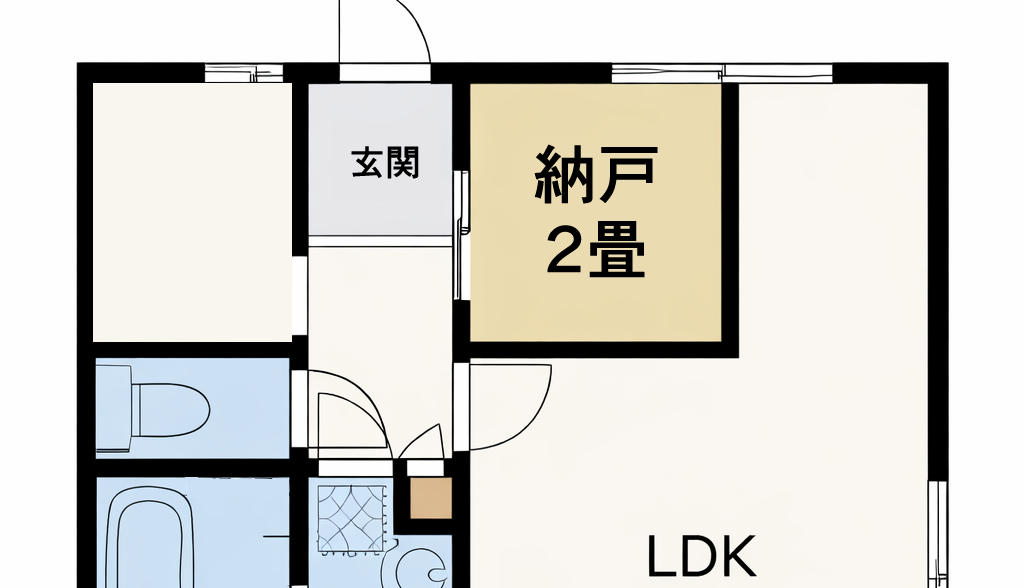
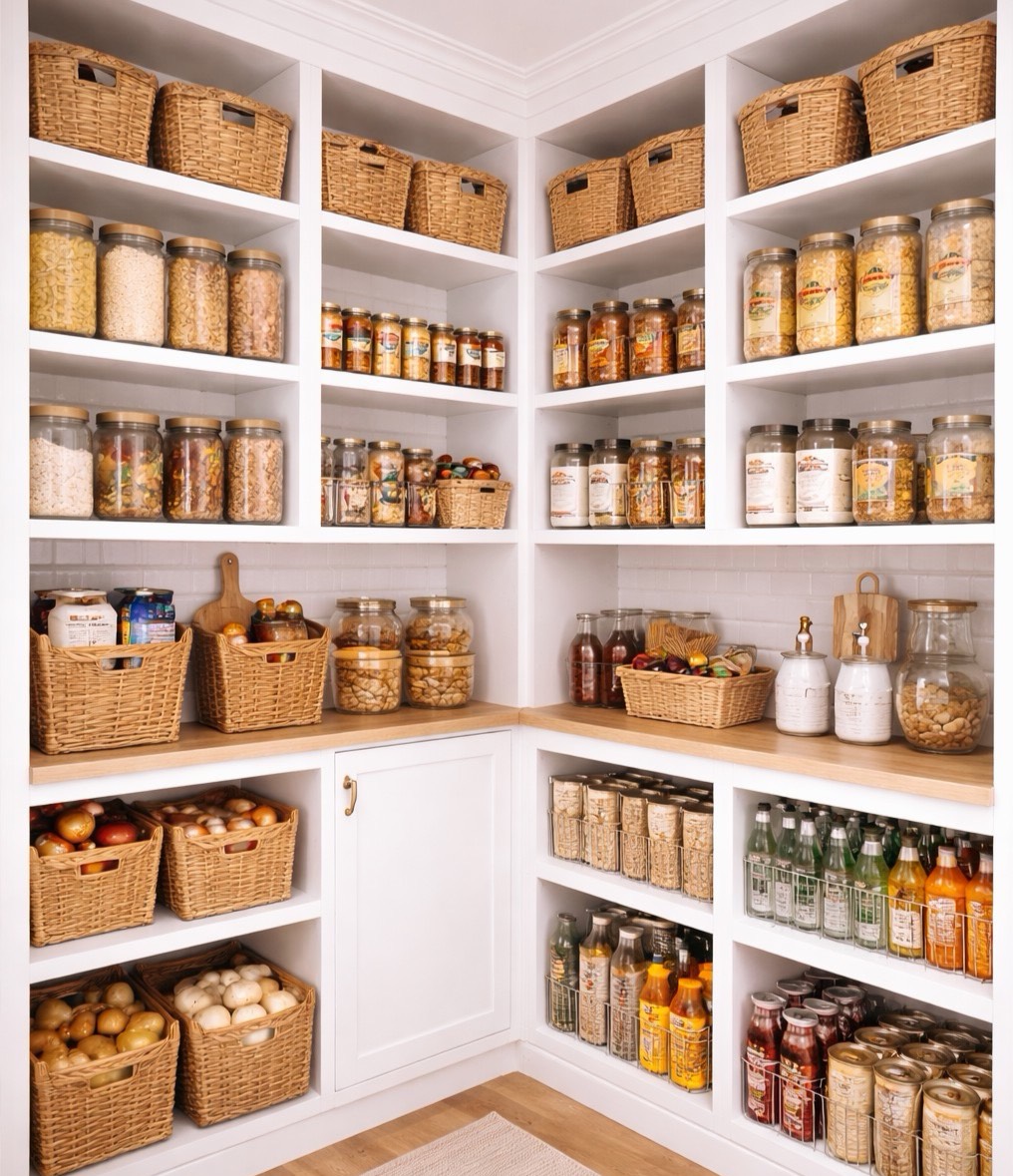
Every household has a refrigerator, but do you leave things that don't fit in the refrigerator at room temperature? If you control the storage room or pantry (food storage) at minus 5℃ throughout the year, vegetables should be preserved longer than now. Dried foods and retort foods can also be stocked with peace of mind. Stocking chocolate and cup noodles can also be done without worrying about hot summer days. Minus 5℃ is because condensation is unlikely to occur with that much temperature difference. Rice is said to be vulnerable to high-temperature storage, but what surprised me this year was that many Indian meal moths infested the bags of old rice and stockpiled rice I had bought up during the summer. Even though it was unopened... This insect seems to be active at 20℃ or higher. Rolling stock of food and water is advocated as a disaster response, and there is a guideline that 8 days of food is necessary. Since it means consuming from old ones and buying more, we want to make the rolling interval as long as possible and consume things near expiration date with peace of mind. Clothing also seems to dislike high temperature/humidity. Those who say electric bills for cold storage are a bit... can forgive it with "Extremely Low-Cost Solar Power".
Guidance during self-sustained operation of surplus purchase solar power
Surplus purchase solar can use electricity in self-sustained operation even during a power outage, but you don't know how much power can be used with current solar radiation. Displaying the currently available power with the power generation measurement unit as guidance allows you to use electric devices with peace of mind.
Encouraging AC→DC conversion of residential power distribution
There is an opinion that DC input is better for residential appliances. If AC→DC conversion is done at the home receiving panel and DC distribution is done inside the home, the device cost, power conversion loss, and device temperature rise of performing AC→DC conversion at each electric device can be suppressed. However, changing the infrastructure based on AC is difficult and takes time. "Extremely Low-Cost Solar Power" uses only solar power in DC as an introduction. For that purpose, we will increase devices that can input DC... It will be a catalyst to encourage DC conversion little by little.
Not just homes, but also in factories...
Effective use of surplus power of factory's self-consumption solar
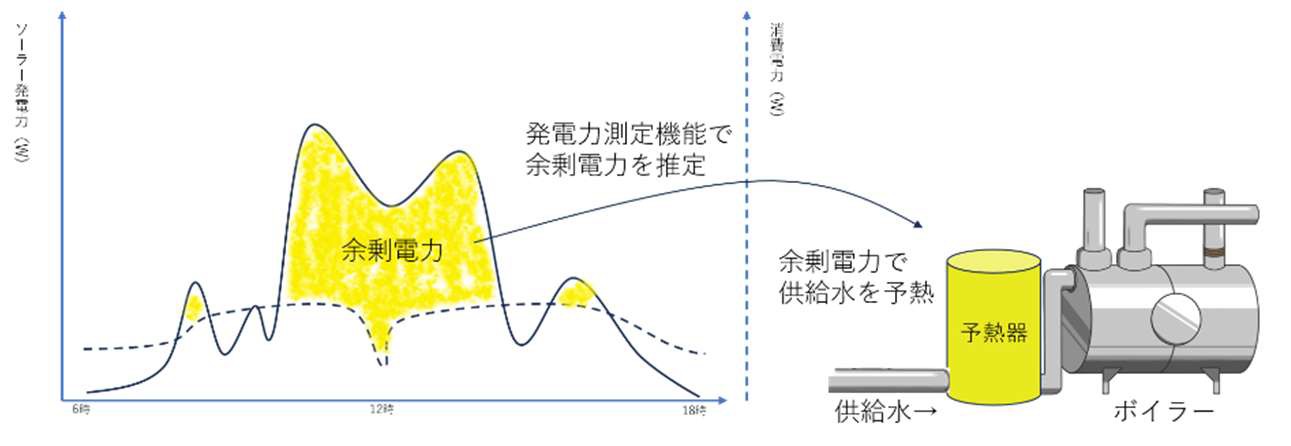
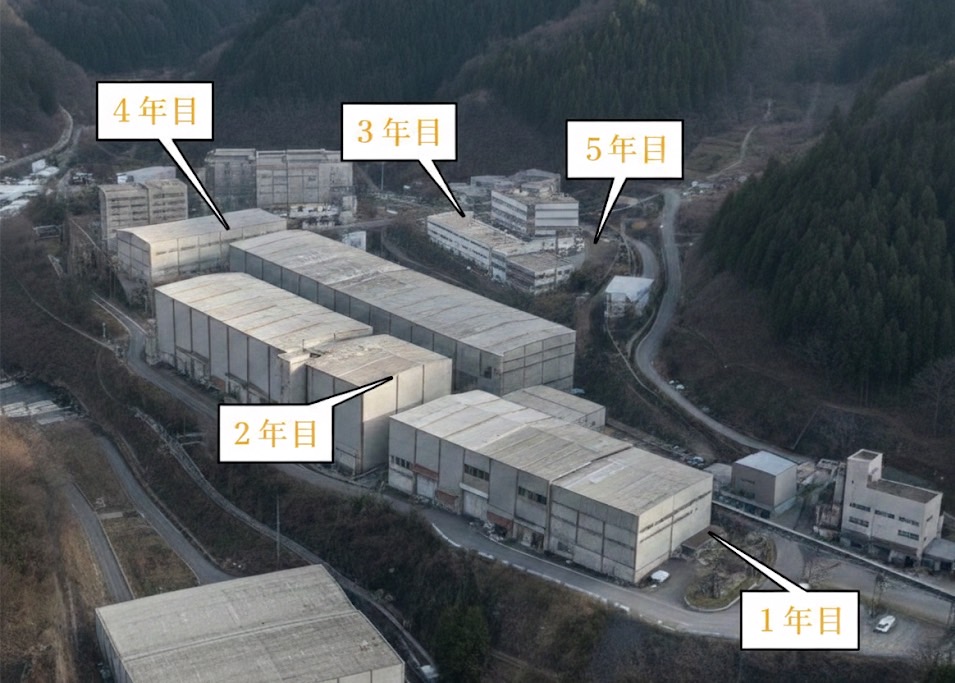
Factories are obligated to reduce CO2, so they introduce self-consumption solar power generation for that purpose, but even if they introduce large solar power generation commensurate with the obligation, the self-consumption rate is about 30-50%, and power generation beyond that is discarded as surplus power (because companies are prohibited from selling surplus power to power companies). Since the surplus power of self-consumption solar can be measured with the power generation measurement unit, how about using that much power for preheating or auxiliary heating of thermal boilers? Or, rather than introducing expensive self-consumption solar, how about covering the cooling/heating of each factory building with "Extremely Low-Cost Solar Power"? Costs can be greatly reduced, and above all, without making a large investment at once, you can proceed in small steps while watching the effect, such as the administration building this year, the first manufacturing building next year...
For portable power supplies that are popular now...
High functionality of off-grid solar power generation
Applying "Extremely Low-Cost Solar Power" allows you to use DC home appliances with an operating rate linked to the intensity of solar radiation when commercial power is cut off in an emergency or in places where there is no commercial power, such as camping. Distillation of drinking water Cooling and heating of shelters Aeration of septic tanks Night lighting TV and information equipment Or general AC home appliances can be used by connecting via a DC/AC inverter. In that case, referring to the W (Watt) guidance displayed by the power generation measurement unit, you can use home appliances with power consumption less than that. We will continue to improve while conducting demonstration experiments on whether the hypotheses so far are really valuable and feasible, and how much effect can be expected. So, continue to the demonstration diary...